Wet but Not Running: Cassava and Beans (2026)
Performance, text and food. A collective cooking and eating situation structured through three scores. Collaboration between Kjell Caminha and Mick Wilson. 14 October 2026, Sunnersta Church, Uppsala, Sweden.
Developed for Samtidskonstdagarna / Contemporary Art Days Summit 2026, as part of the conversation theme Stretching the “we” of art: Learning with communities, organised by Statens konstråd (Public Art Agency Sweden) and CAPIm (Centre for Art and the Political Imaginary). The theme considered working with communities as collaborators, co-learners and knowledge holders rather than as audiences, consultees or beneficiaries.
Wet but Not Running: Cassava and Beans was structured through three scores: Cooking Together, Unfinished Cake and Wrap for Another. The scores supported different moments in the preparation and sharing of the food. Unfinished Cake and Wrap for Another were introduced as invitations during the day; Cooking Together informed the preparation of the meal and the room.
Cooking Together accompanied the preparation of the food and the room in which it would be served. It addressed how tasks were joined, changed and handed over; what needed to remain exact; what could be adjusted; and what had to be ready.
During the afternoon fika break, a cassava-and-coconut cake was brought to the table unfinished. Pieces were cut and dressed for another person with guava, passion fruit and salt. The score introduced questions of portion, taste and preference into making and receiving a piece.
In the early evening, the group made wraps for one another. The meal offered black beans as the vegan filling and black-eyed peas with chorizo as the meat filling. Brazilian vinaigrette and hot sauce, pickled red onions, avocado, vegan crème fraîche and lime were set out alongside the fillings, to add, leave out or adjust. Each wrap was worked out while it was being made: what to include, how much, how to fold it and when it was ready to hand over.
The work was developed alongside a workshop led by Sophie Mak-Schram and Maria Svonni, which moved between individual reflection, work in pairs and small groups, and discussion of organisational structures, knowledge and practical change. The scores carried related questions into preparation, serving and eating: tasks were shared, choices were discussed, and food was made for someone else.
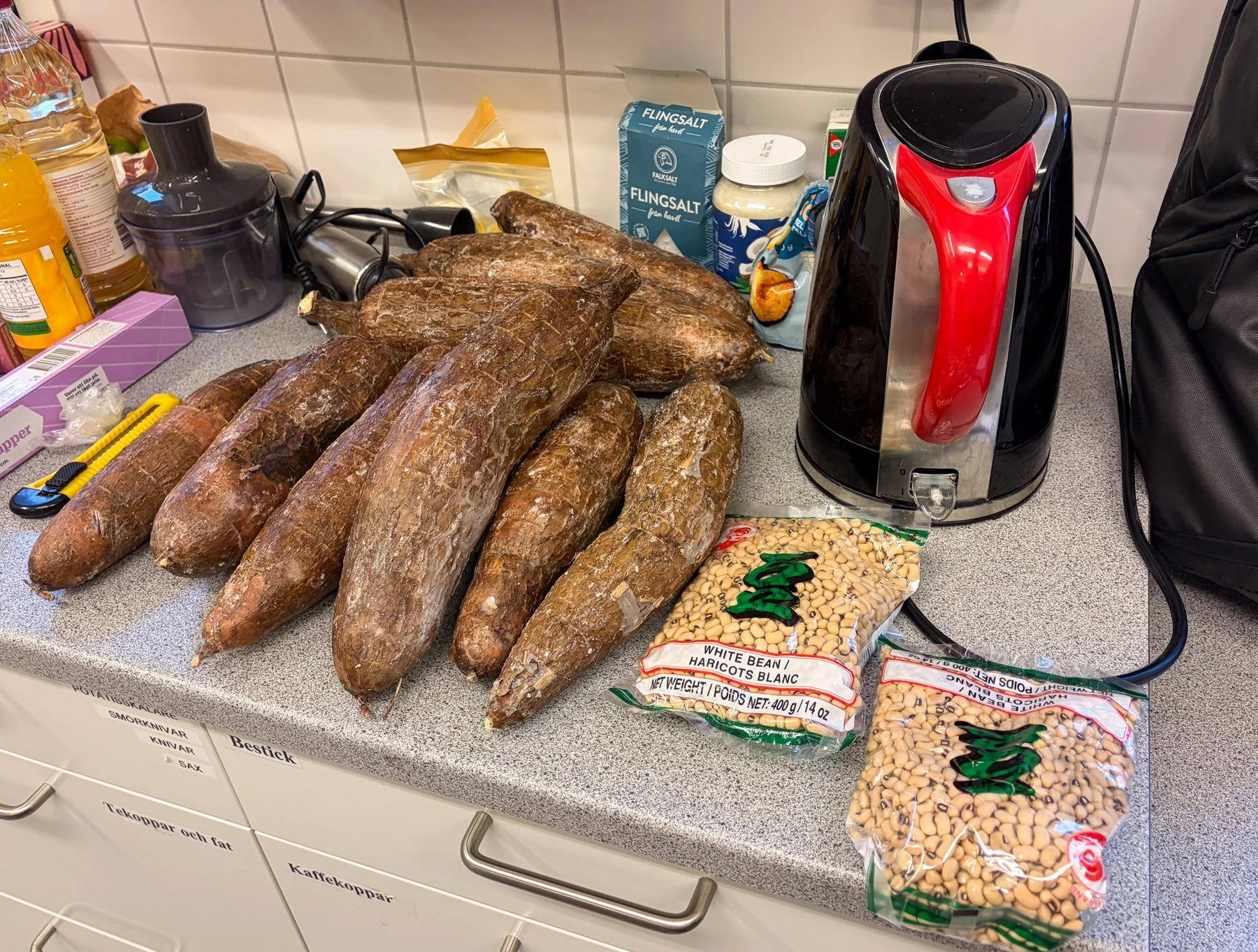
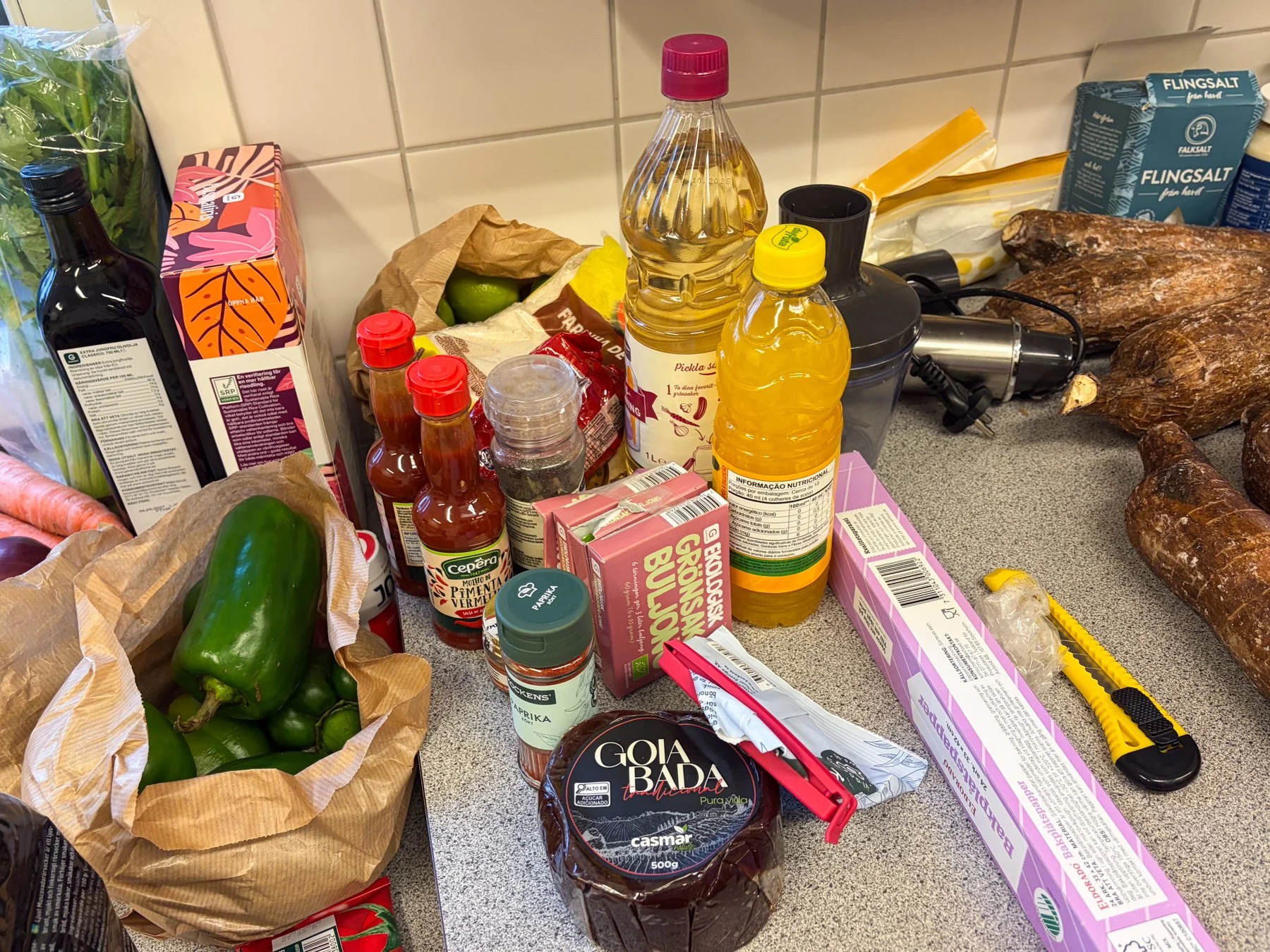
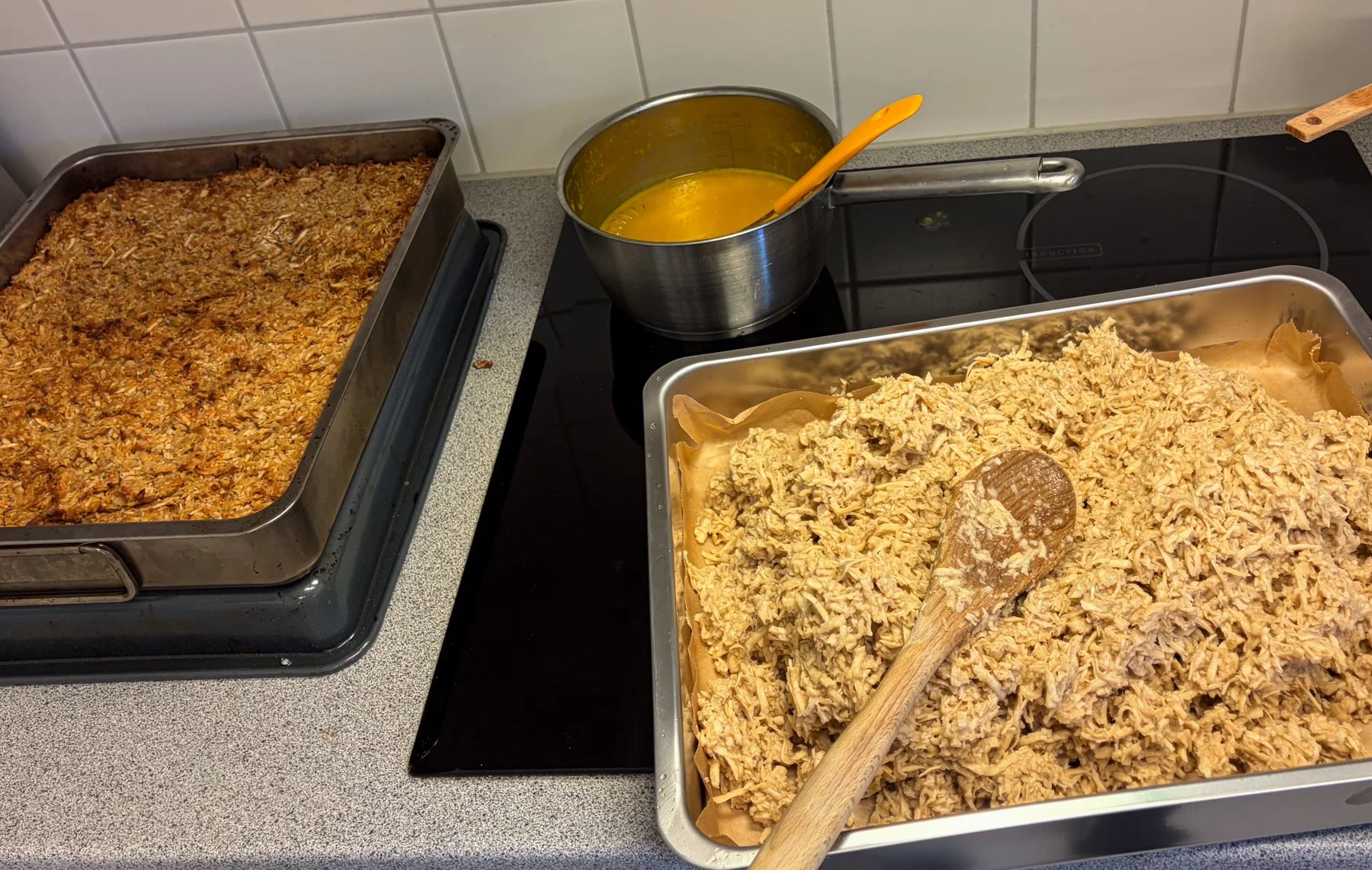
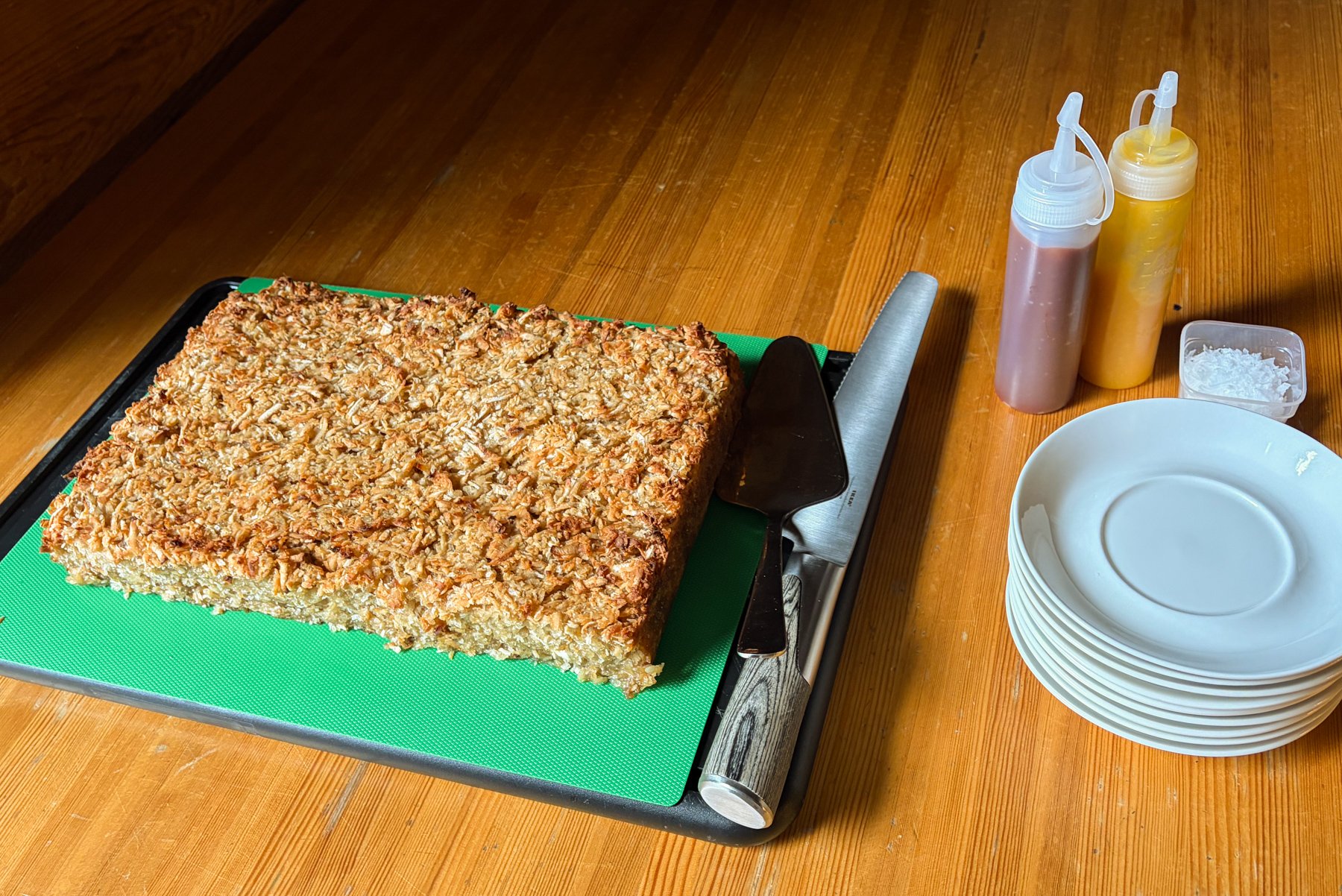
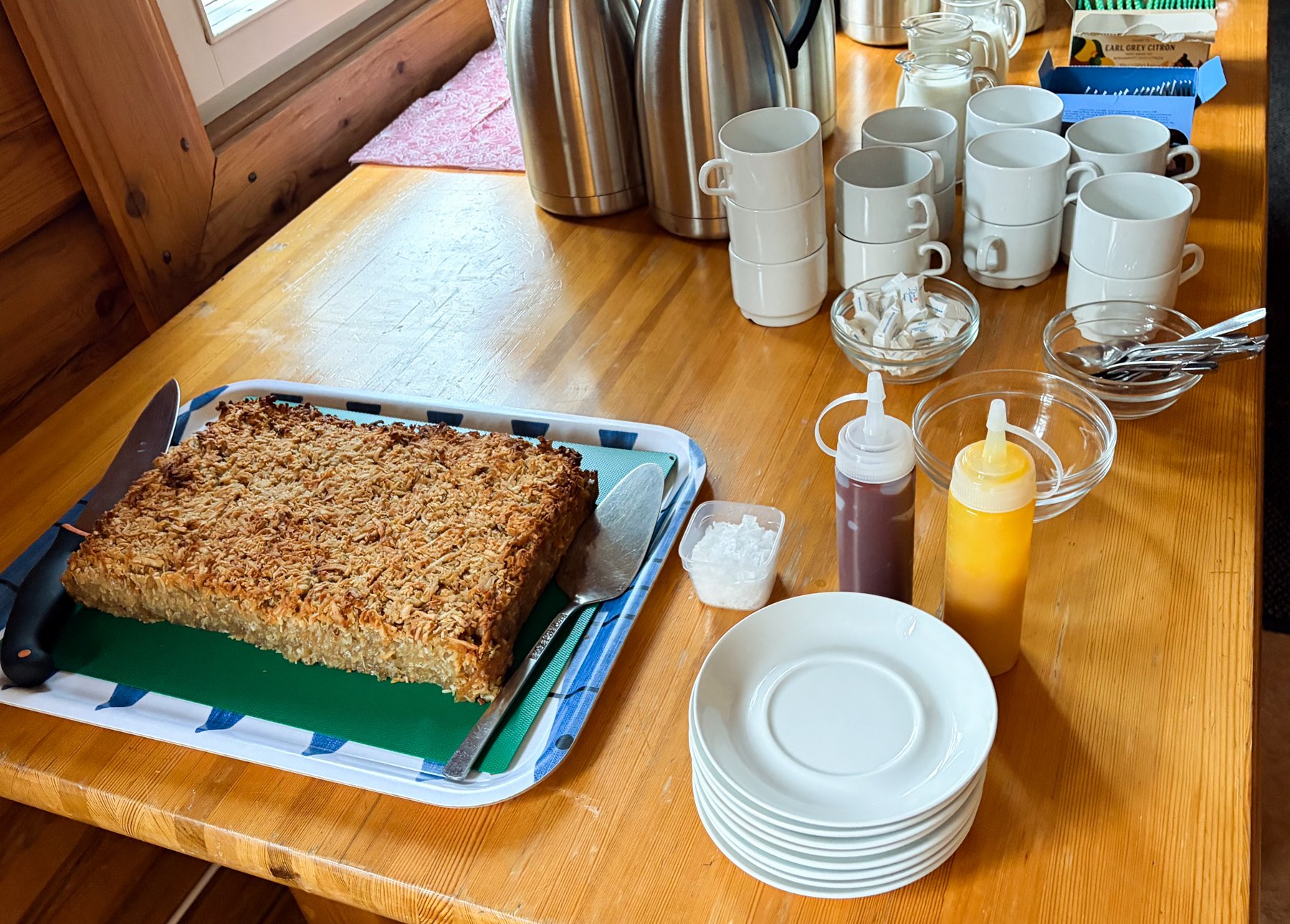
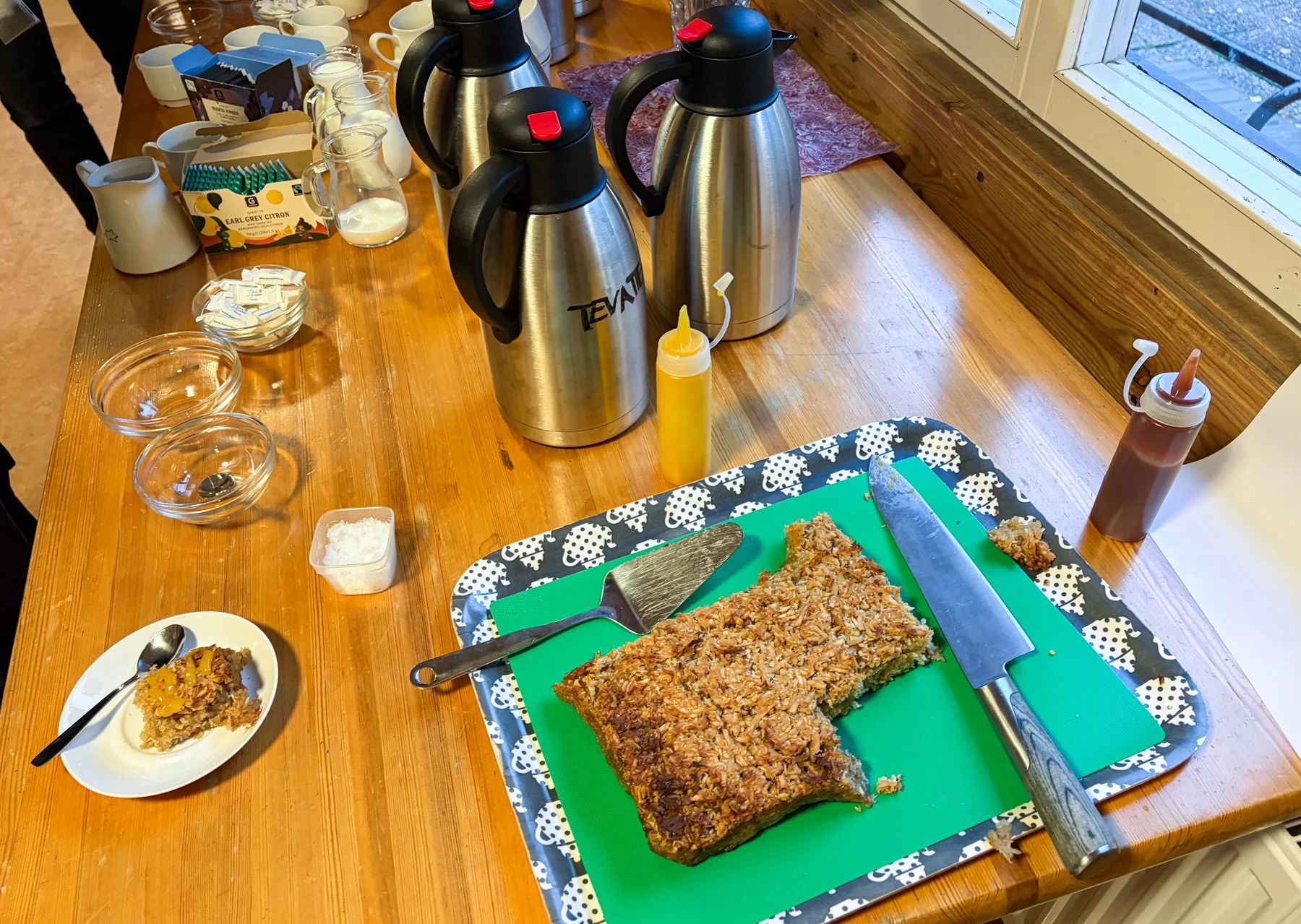
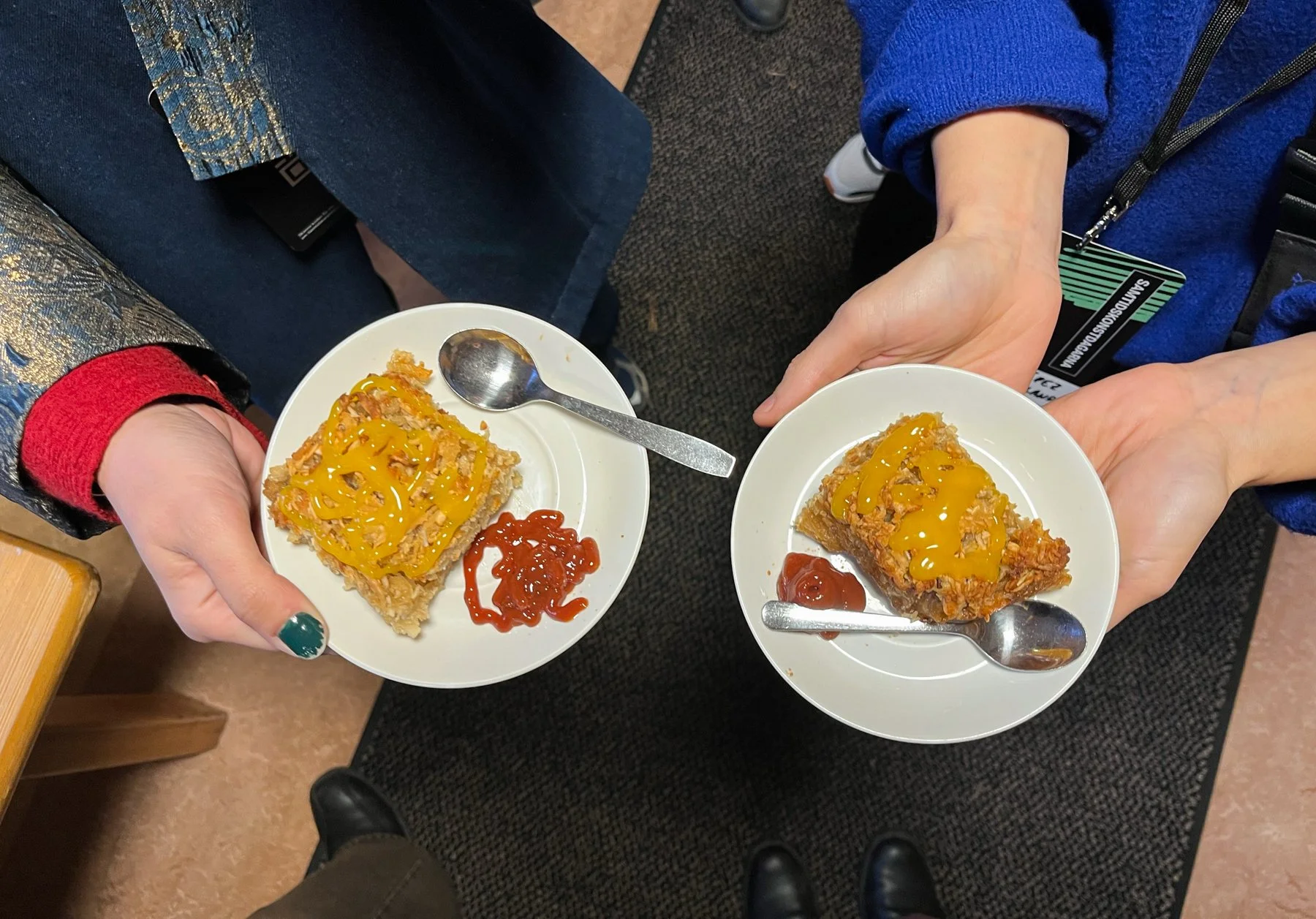
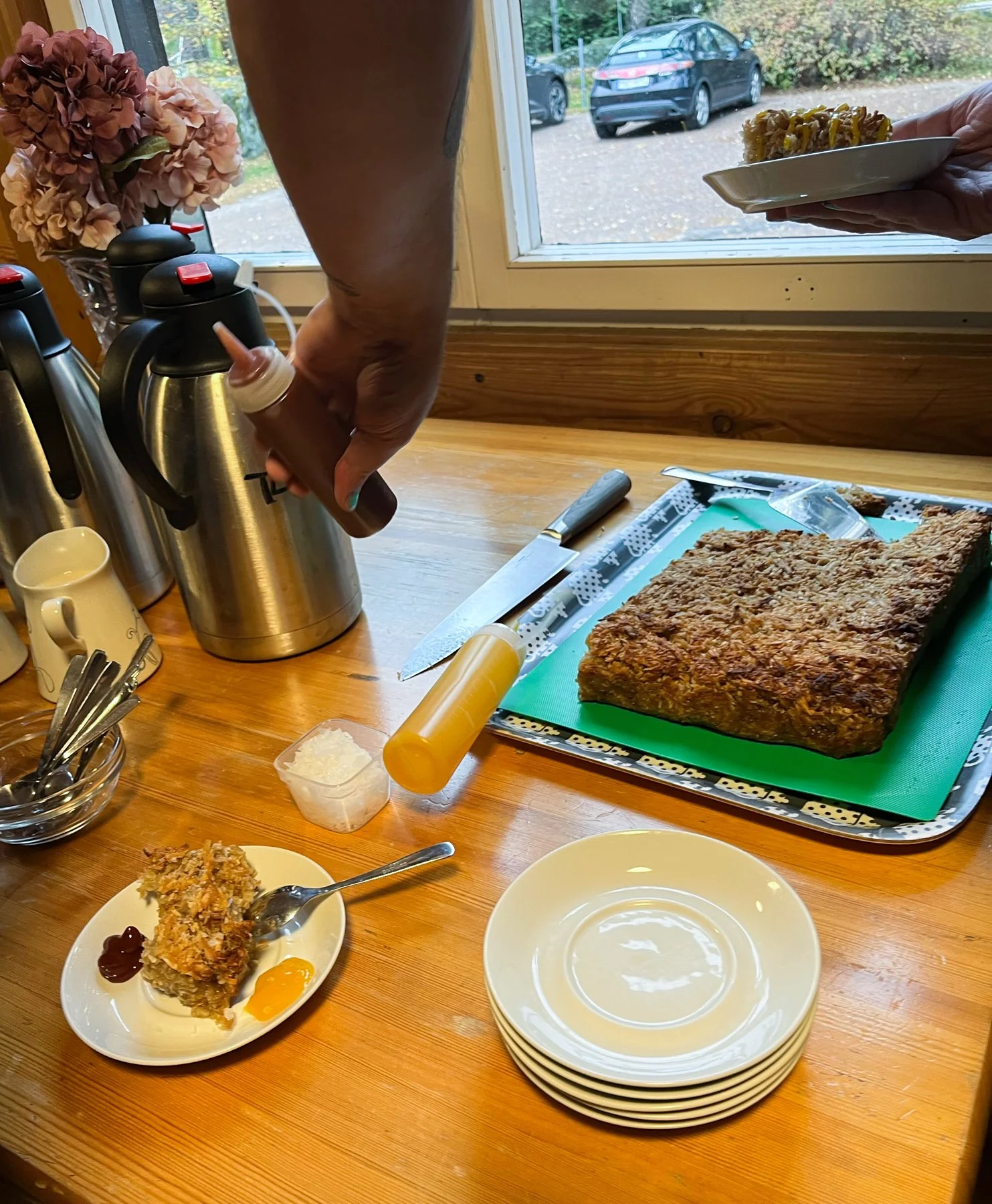
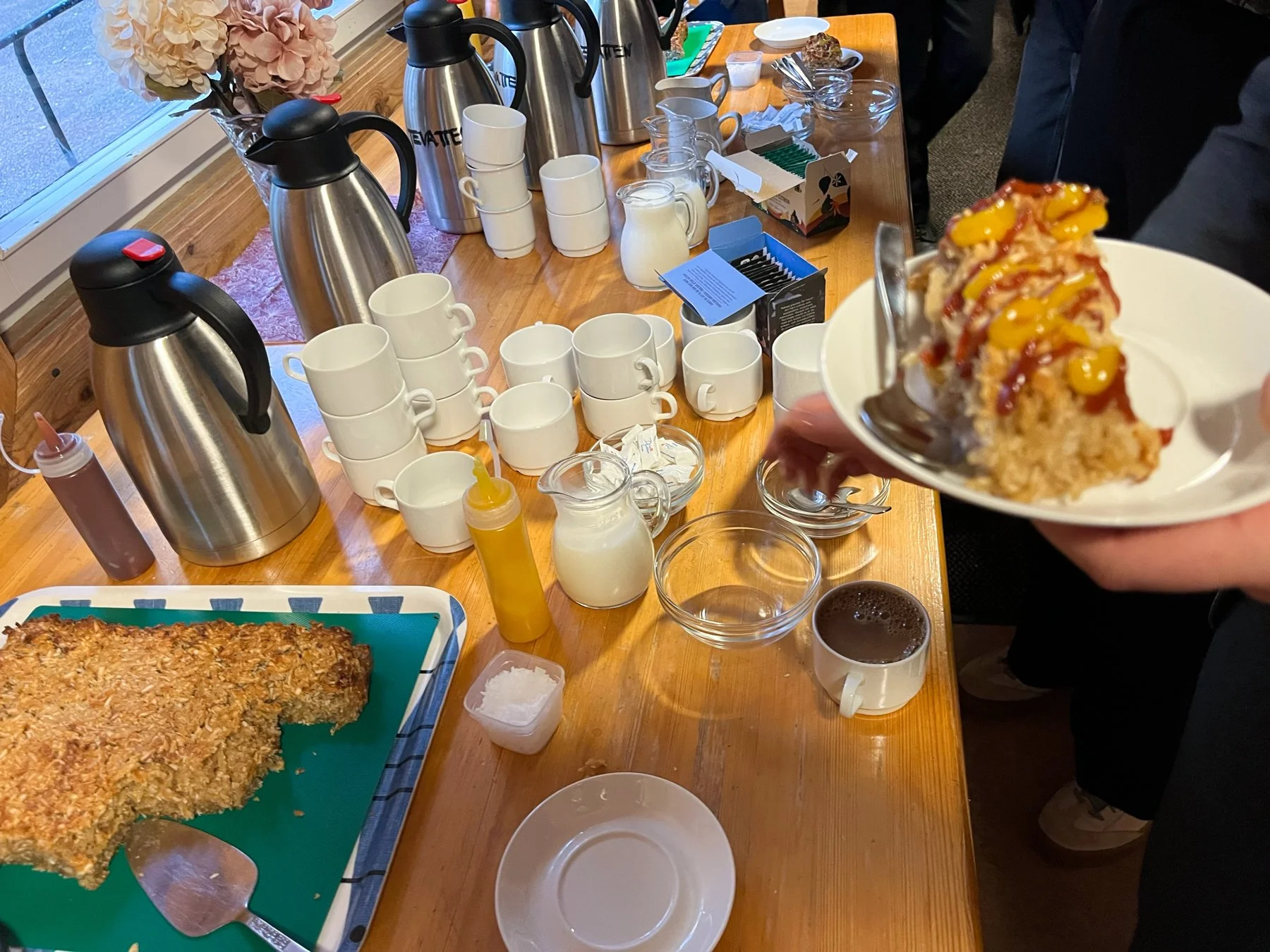
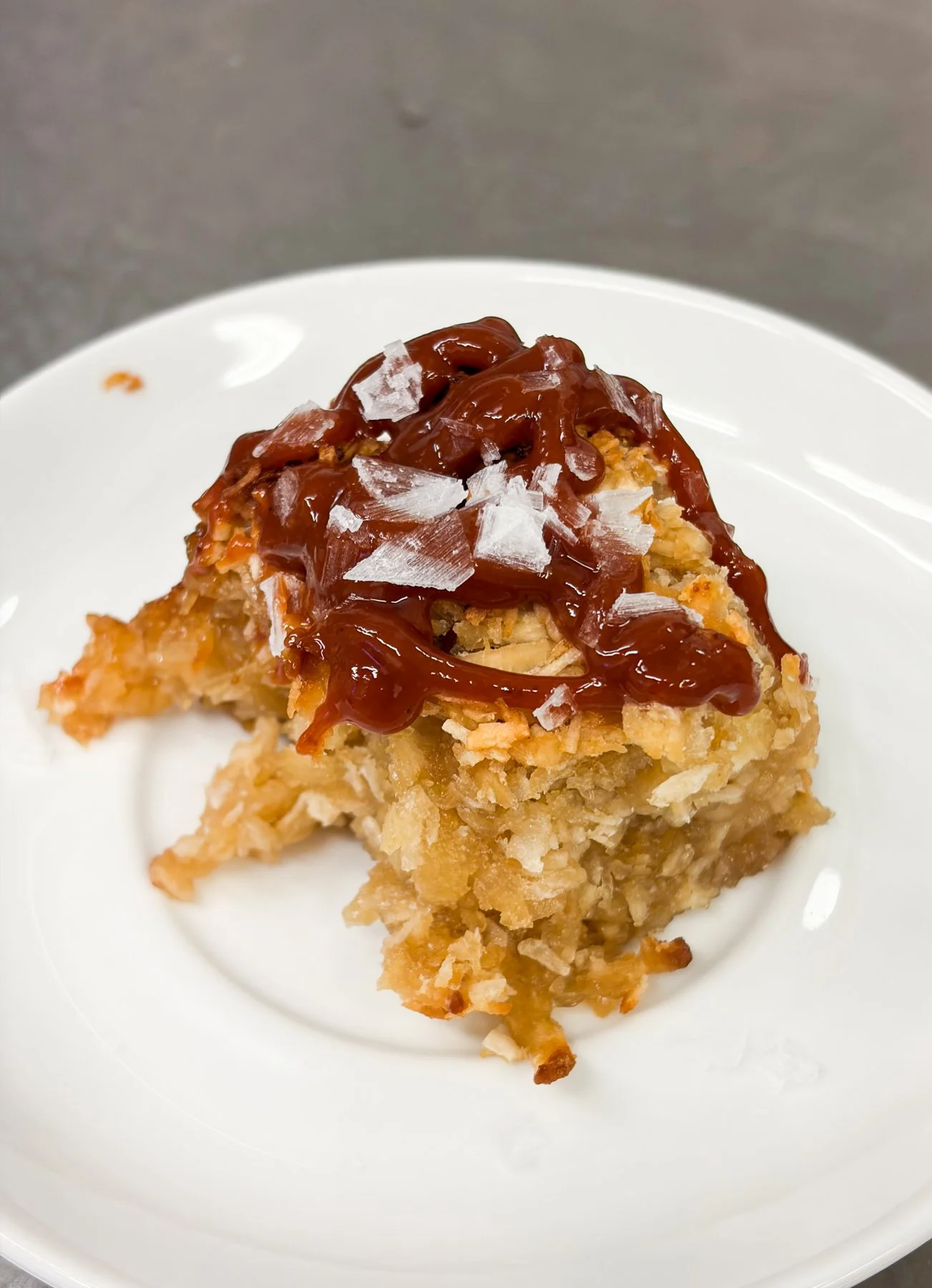
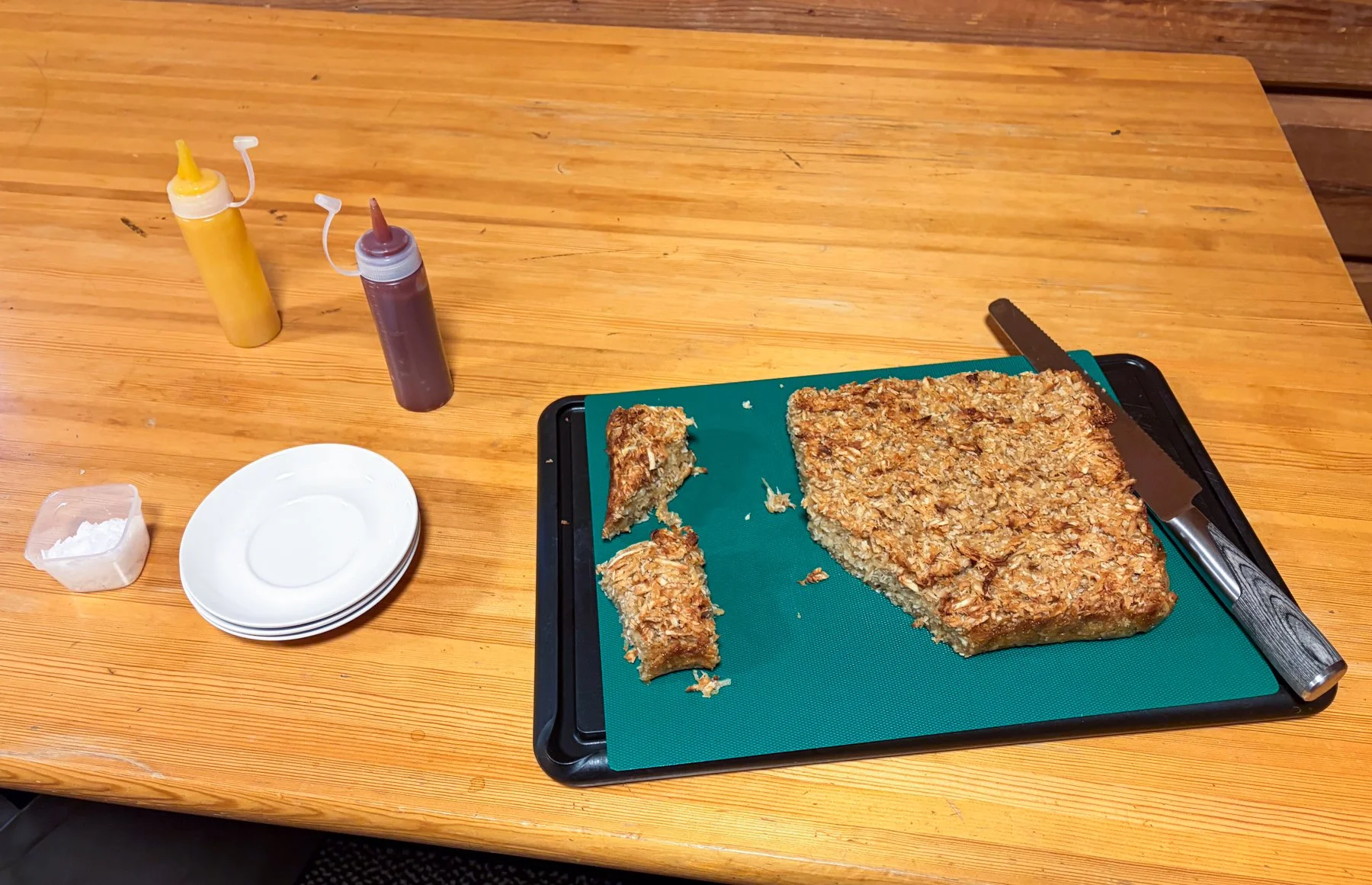
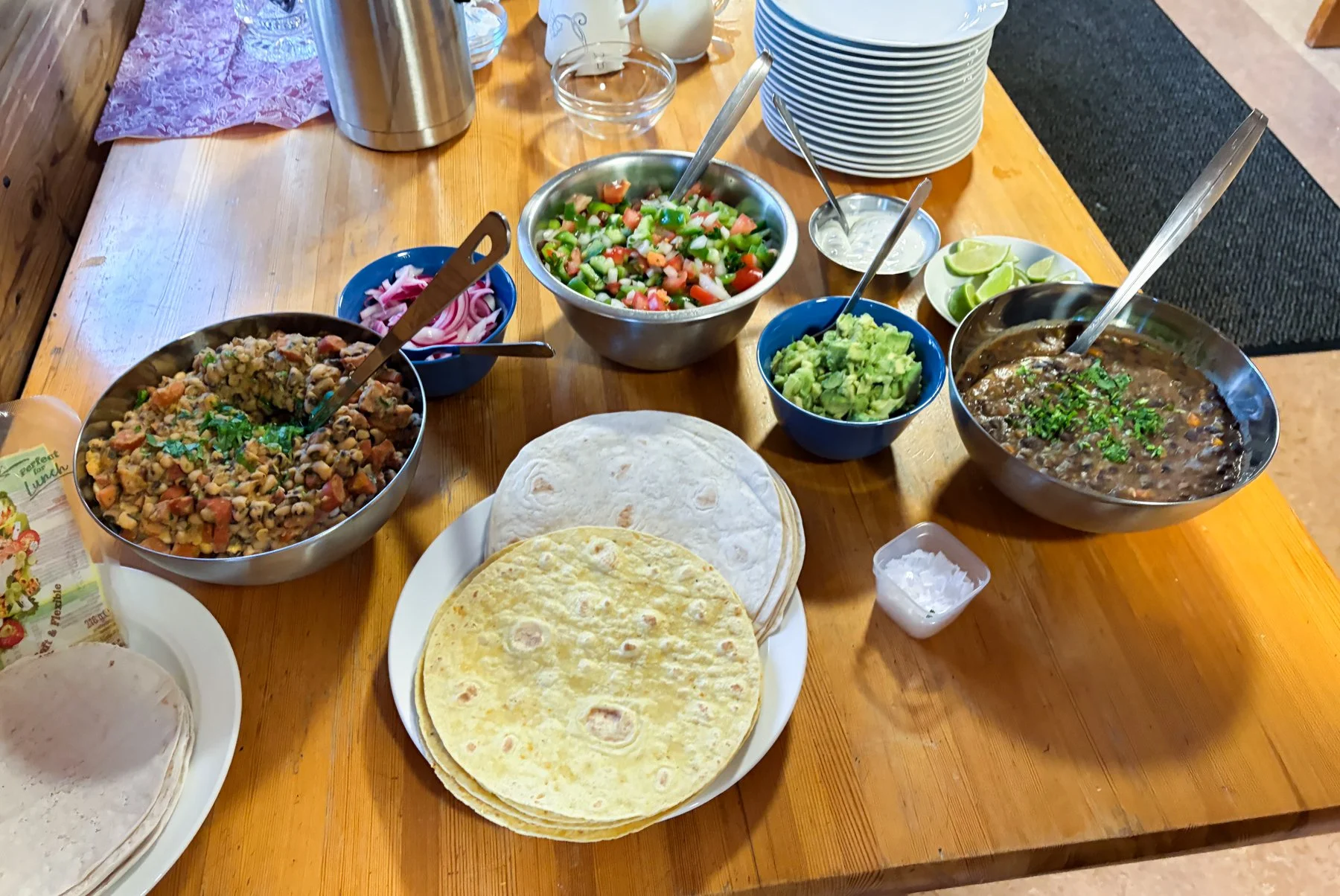
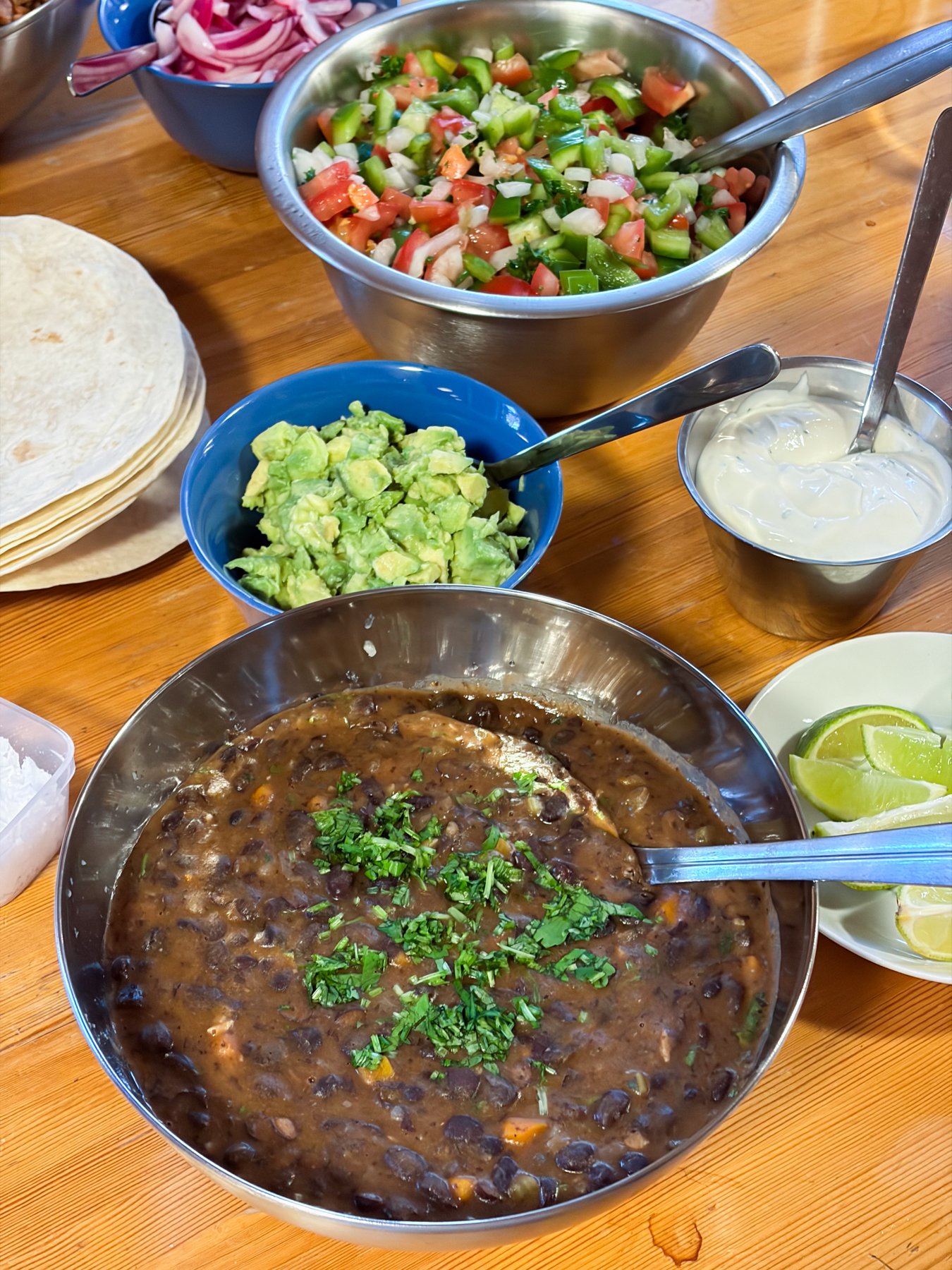
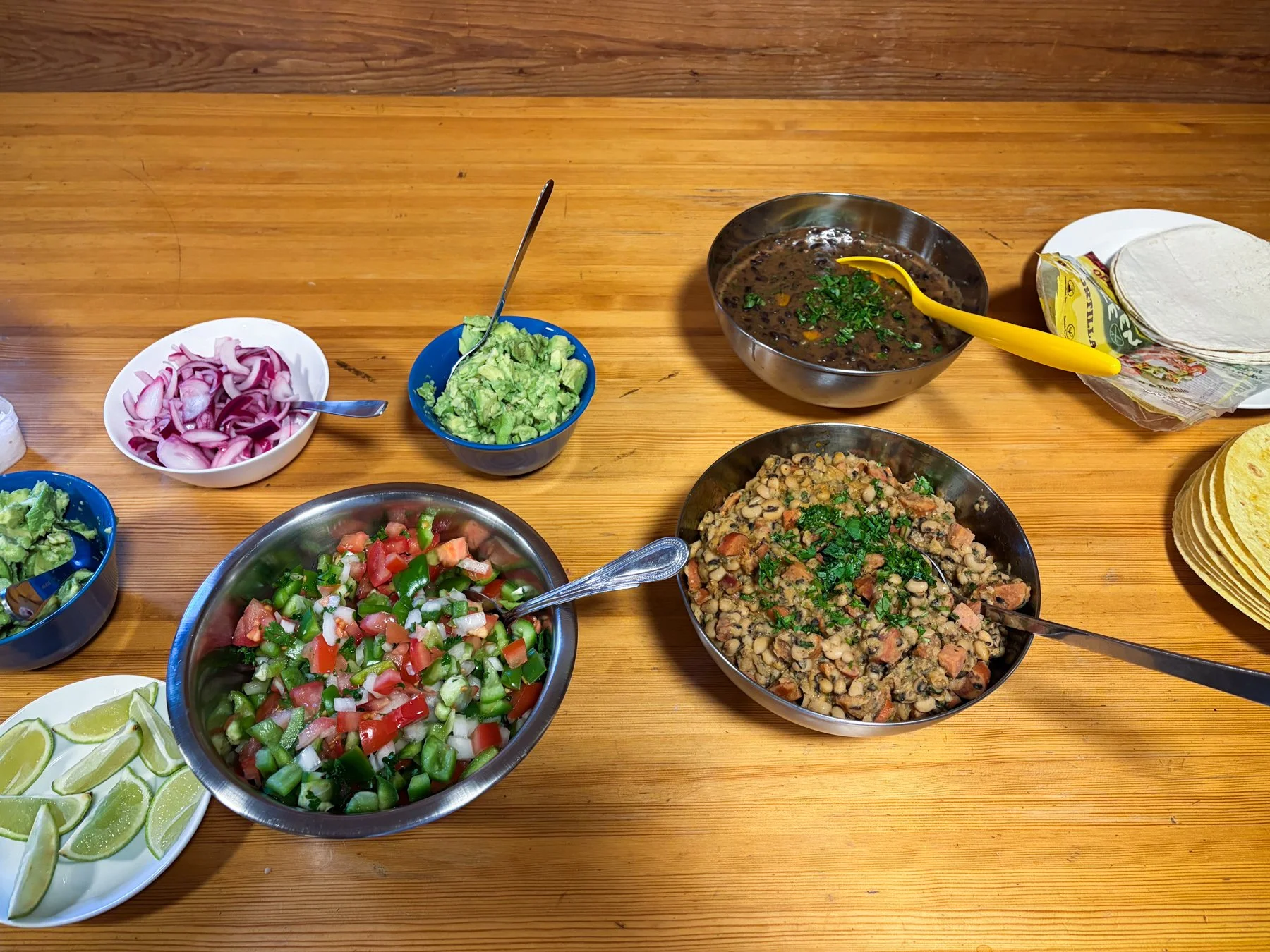
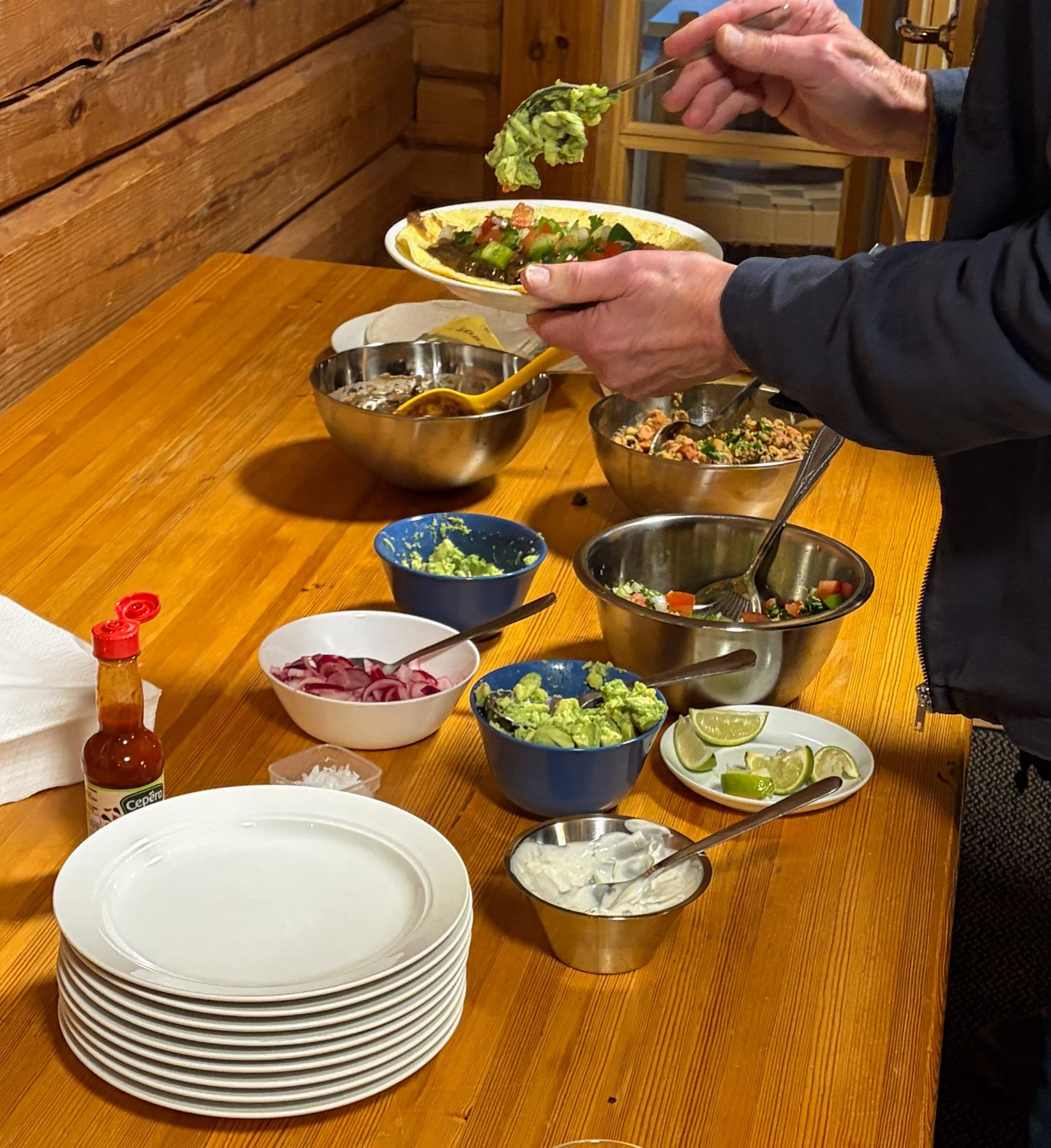
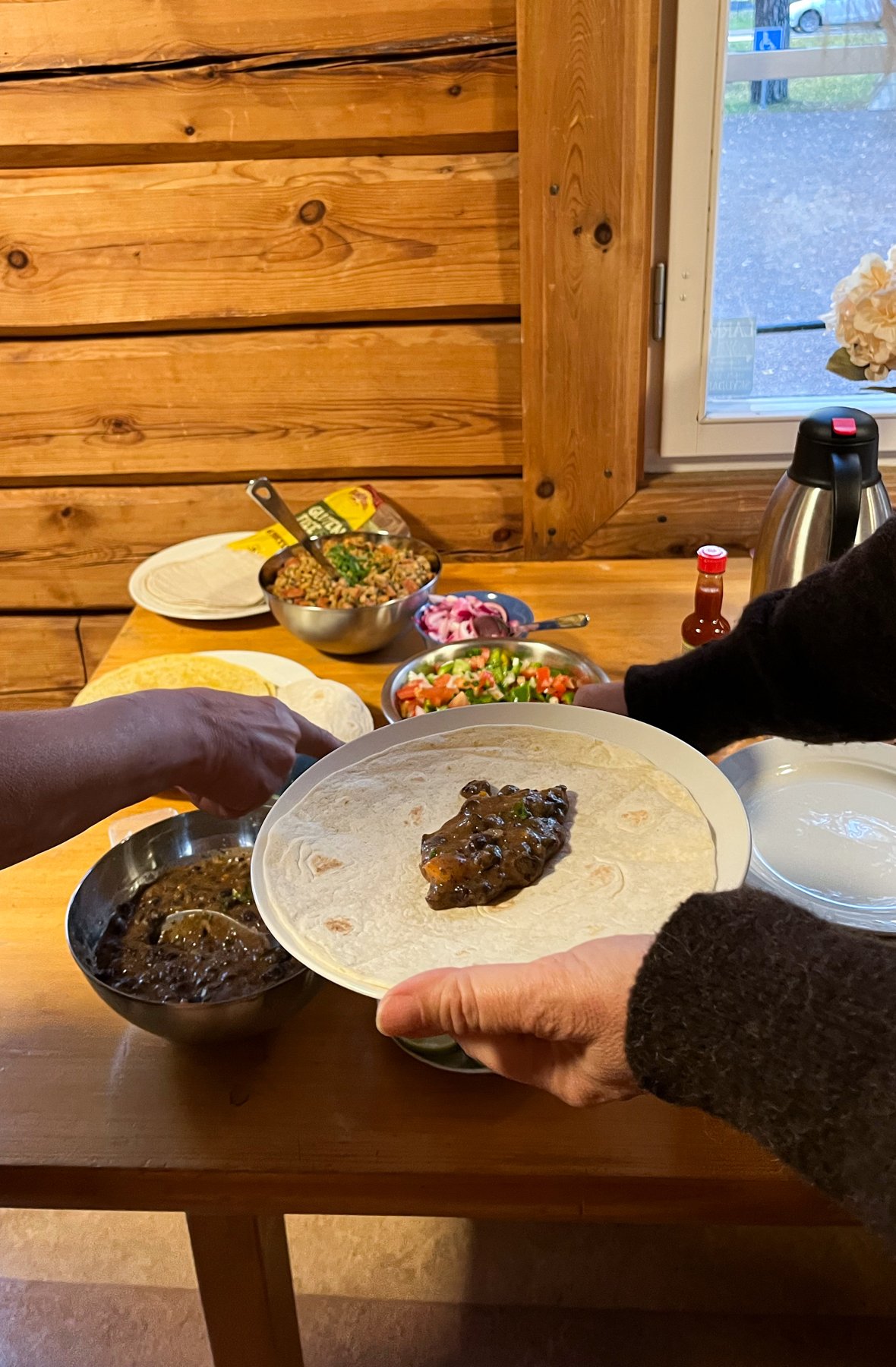
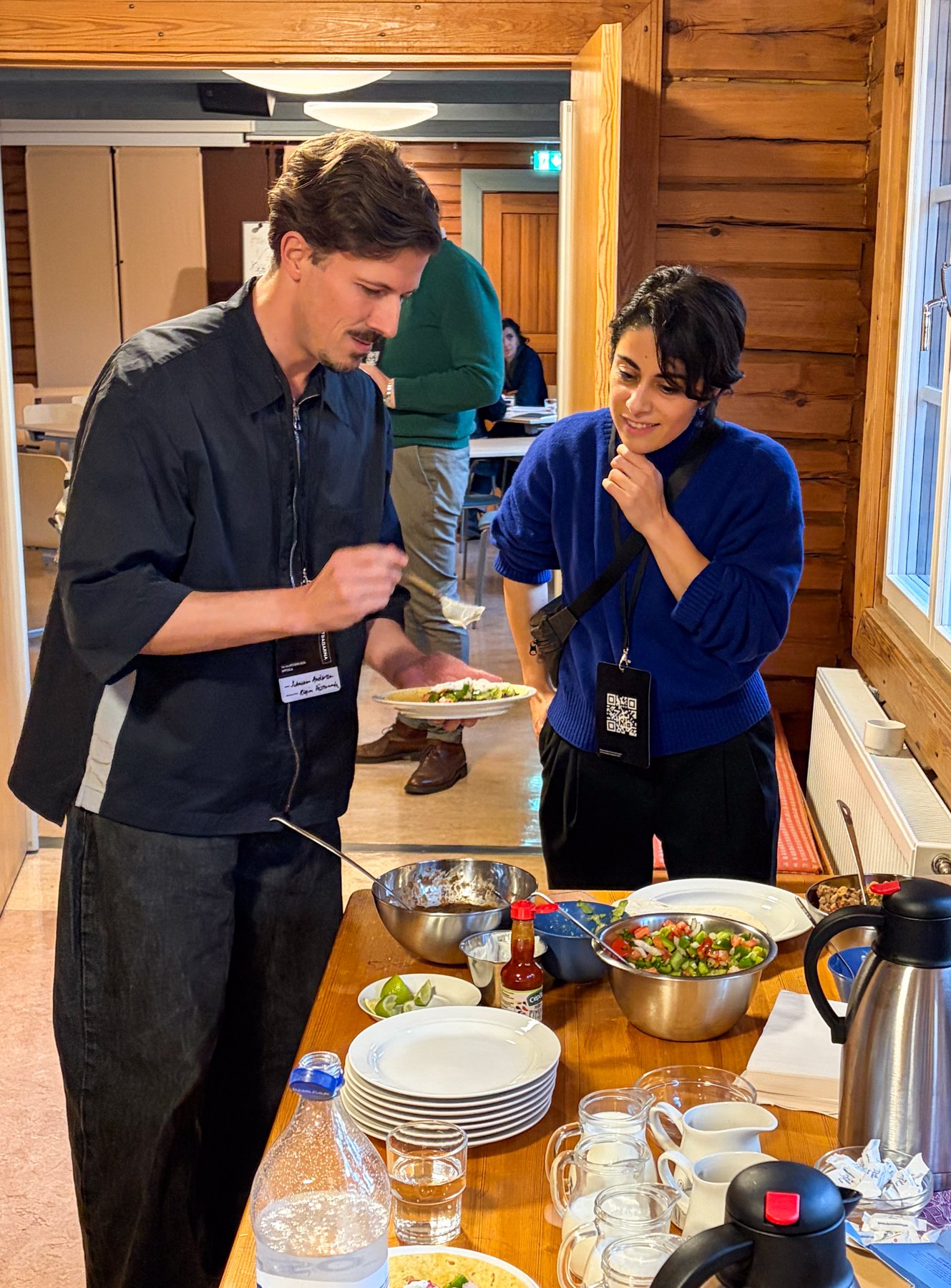
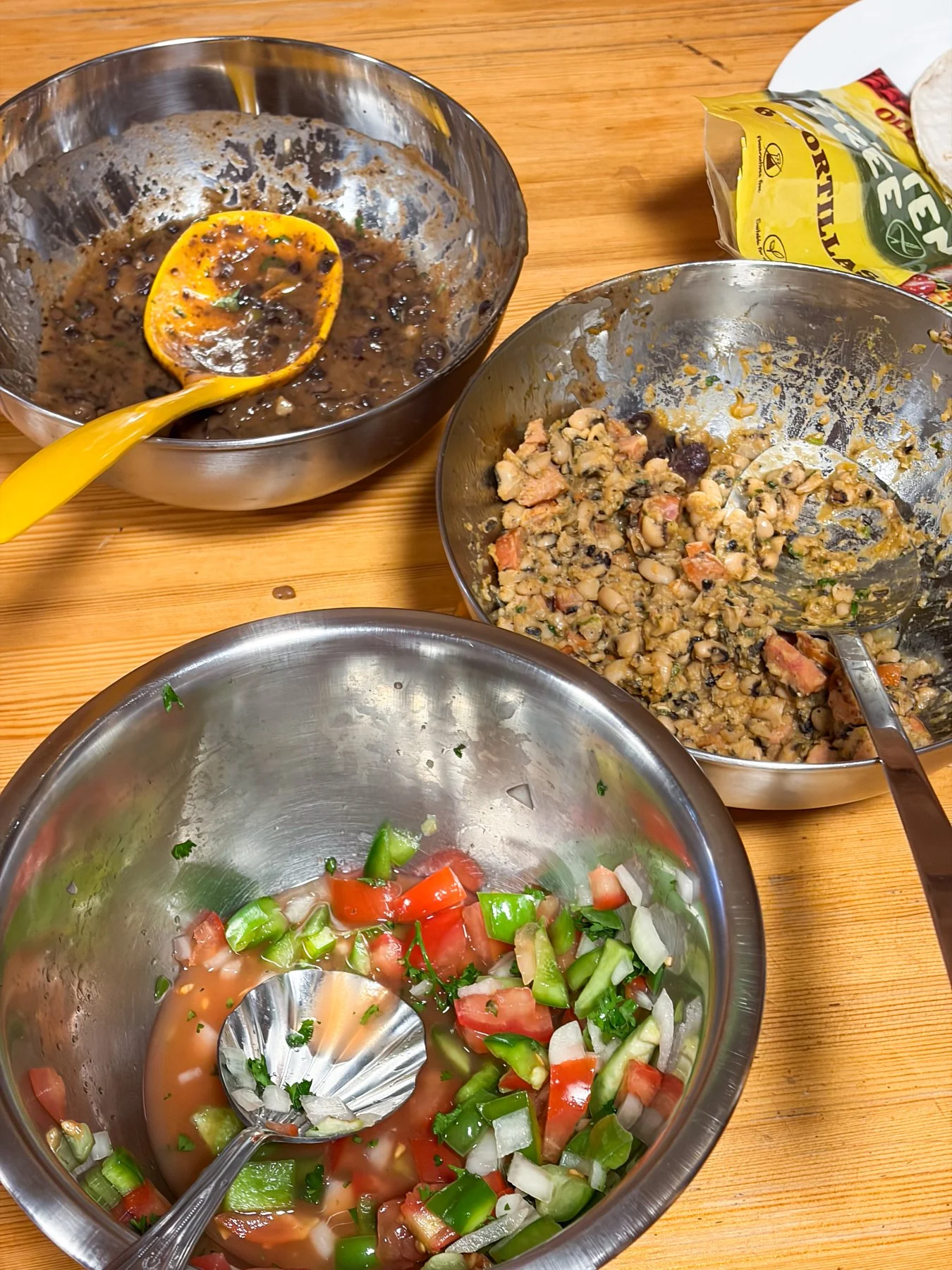
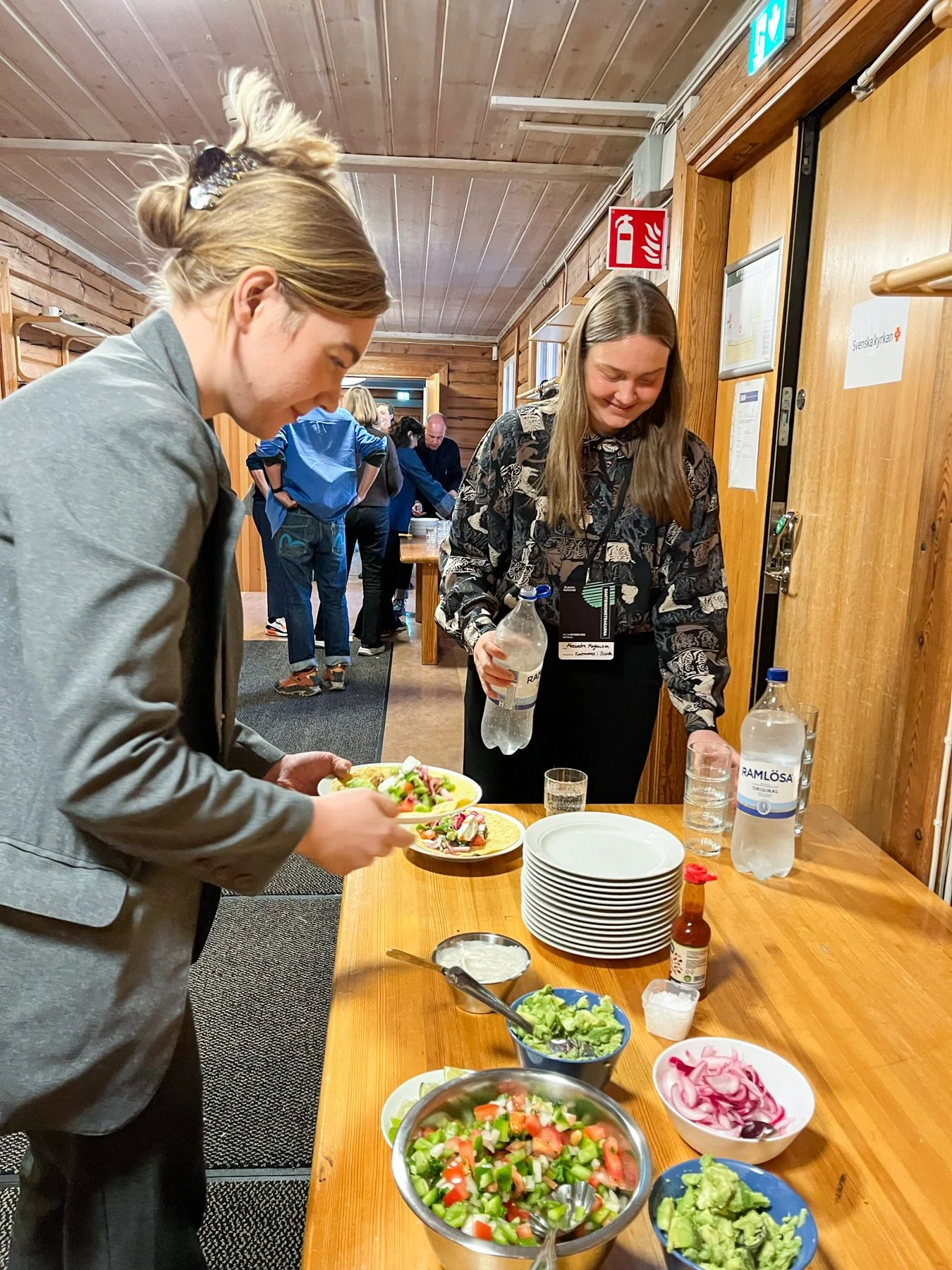
Documentation images by Kjell Caminha and Esmeralda Valencia Lindström.
Scores used during the day
Cooking together [kitchen score]
For those cooking the food and preparing how it will meet the people who eat it.
Begin with the plan already made. Join for one task or stay for several.
Before handling food, wash your hands.
Ask what is underway, what needs to happen next, and where help is most needed. Share enough of the plan for each person to know where their task fits.
Share why this food is on the menu. Its ingredients may bring different stories to mind. Make room for those stories.
Ask what needs to stay exact, and what can change.
Some things need measuring and following.
Some need tasting and adjusting.
Some need to begin now.Share the task. Say where the judgement lies. Agree on what you are taking responsibility for, what you can decide, and when to check with someone else.
Before changing something, find out what it’s holding together. Say what you propose and why. Consider together what it would change, and what needs to remain.
A suggestion can be heard without being taken up today.
Look out for each other as you move.
Say “Bakom!” when you’re passing behind someone.
If you’re carrying something hot or sharp, say that too.
Talk while you work.
Share what the food brings to mind.
There is room for stories, questions and laughter.
Sometimes, listen to the kitchen.
Leave room for silence, too.Taste together when the preparation is ready. Say what you notice.
Decide what, if anything, needs changing.
When handing over a task, say what matters and agree on where the judgement lies. Give the other person what they need to continue. When taking over, ask what you need to know.
Trust the other person to carry the task.
Don’t hover.A different way of doing it is not, by itself, a reason to take it back.
When time is tight, say what needs to happen next. Make clear what needs deciding now, and what can wait.
Notice where help is needed, including beyond the cooking. Filling bottles, warming wraps, arranging the stations, setting the table… They are all part of how food meets people.
Imagine arriving at the table to eat.
What needs to be within reach?
What needs to be clear?Before leaving a task, say what is done and what remains. Leave the next person knowing where to begin.
The food must be ready.
Keep each other company while making it.
Unfinished cake [afternoon fika score]
Make a piece for someone at your table.
There is cake for everyone.
You can cut, dress, help or receive. Nothing is owed back.
Look at it together: it’s far from finished.
“A little piece or a big one?”
“Guava, passion fruit, both? Maybe a few salt flakes?”
Cut, lift and finish it.
Leave enough for everyone to try.
“Too sweet? Too salty? Too bright? Lagom?”
Enjoy the cake and each other’s company.
Wrap for another [evening meal score]
Begin with a wrap for someone else.
“Vegan or meat? Anything to leave out? A little to start, or a full wrap?”
Agree on enough to get started. One person wraps; the other can help, receive or change roles.
There’s more than one way to fold a wrap.
It might open, spill or turn out differently than expected.
An offer doesn’t have to be accepted.
Hand it over when you are ready to let it go.
“Is it dry? A little creaminess? A squeeze of lime? Something fresh or sharp?”
After the first round, let the meal find its own rhythm.